Scratching the Surface
– NAEA GalleryAbout Scratching the Surface
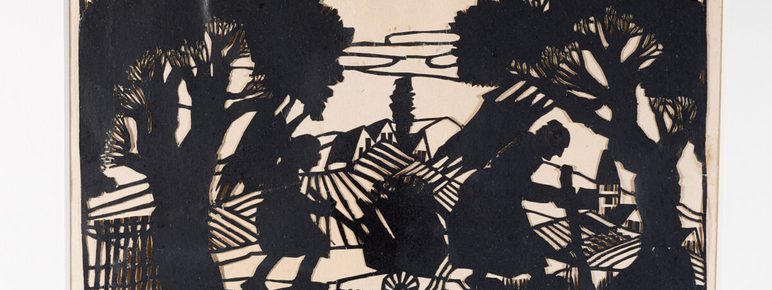
The selection of drawings in this exhibition was made from the larger Marking Time: A Century of Drawing in Art Education exhibition, that was held at Batley Art Gallery in 2012, and offered another opportunity to consider how drawing informs and shapes teaching and learning.
The images on display, as well as books, teaching guides and other documentation, gave a glimpse into the wealth of material held in the National Arts Education Archive (NAEA). They also offered the opportunity to reflect on the way in which drawing has served, and continues to serve, the needs of children, students, teachers and artists in shaping an understanding of both ‘inner’ and ‘outer’ worlds and as a means of recording and refining ideas, information, thoughts and feelings.
This work did not follow the chronology of the original exhibition, but brought together examples from different periods in art education that illustrate the dynamic and influential nature of drawing, its aesthetic energy and the place it occupies in the growth and development of children and adults alike.
Drawings were selected from the following collections:
Franz Cizek | William Johnstone | Mary Martin Thomas | Alexander Barclay-Russell | Sir Alec Clegg | Victor Pasmore | Rosemary Devonald | Philip Rawson | Stourbridge College of Art | Learning through Drawing | Thurcroft School | Hatfield School
You might also like
More- News
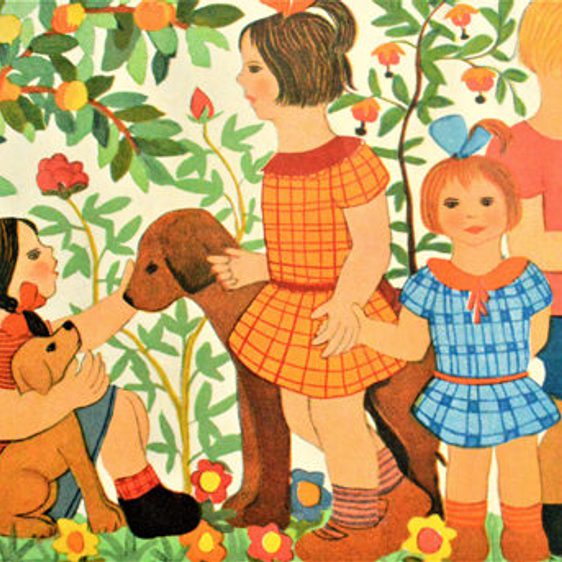
National Arts Education Archive’s children’s wartime art collection gains UNESCO recognition
25 April 2025 - Profile
Matt Howard
YSP/Laureate Fund Poet in Residence - Profile
Leilah Babirye
Visiting Artist - Event
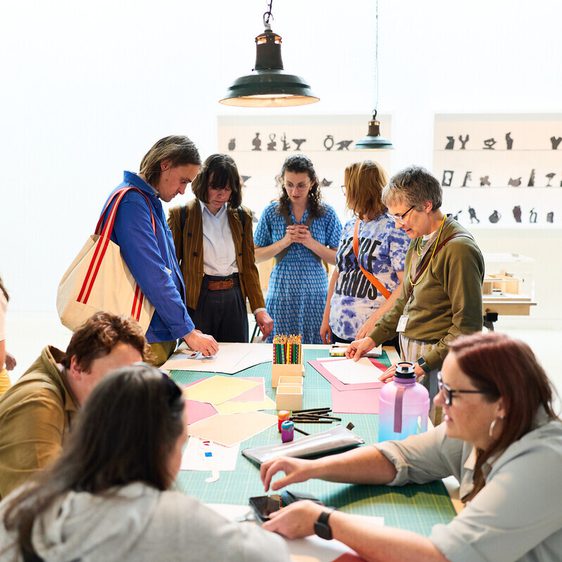
Teacher Study Day 2026
YSP and the National Arts Education Archive (NAEA) invite education professionals to an inspiring study day focussed on the upcoming exhibition Hold to this Earth: Works by Contemporary Indigenous North American Artists from Tia Collection