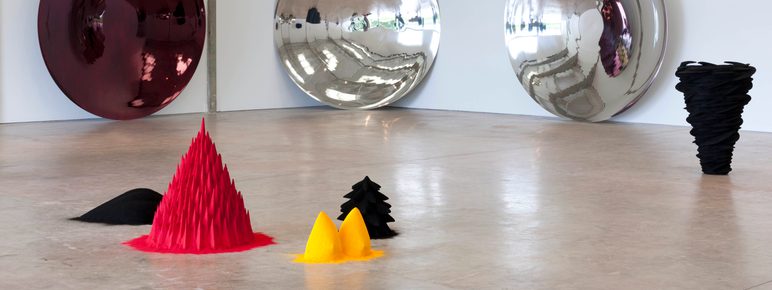
Anish Kapoor: Flashback
– Longside GalleryAbout Anish Kapoor: Flashback
Anish Kapoor is one of Britain’s most distinguished artists. He has achieved international acclaim for his sensual and beguiling sculptures created using pigment, stone, stainless steel and wax, and his work is represented in major exhibitions, collections and public spaces across the globe.
The exhibition at Longside featured earlier work form the Arts Council Collection, with more sculpture on loan from the artist and public collections. The starting point for this exhibition was the Arts Council Collection’s White Sand, Red Millet, Many Flowers – a very early pigment work which Kapoor has returned to in his thinking over many years. Infectious experimentation with a vast range of materials and forms has continued ever since, as has Kapoor’s investigation into universal themes concerning belief, passion and experience. The exhibition revealed many of the outcomes of Kapoor’s unique endeavour, including his exploration of voids, mirrored surfaces and vortices.
Flashback was a major series of touring exhibitions from the Arts Council Collection, and was the first survey of Kapoor’s work to be held in the UK outside of London.
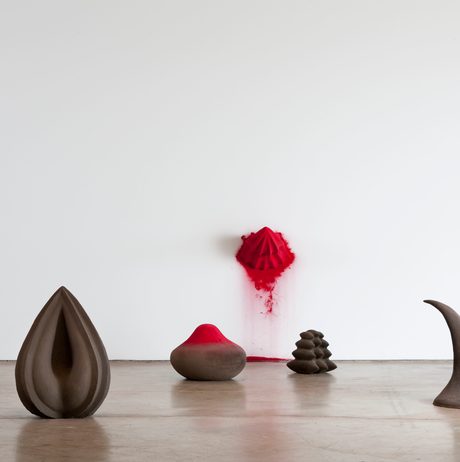
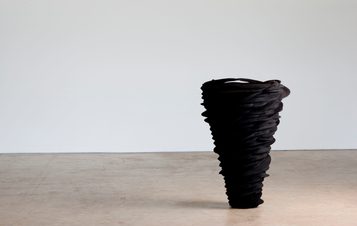
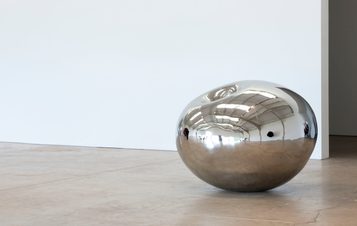
The visitor is presented with highly sensual, organic and abstract forms exploring positive and negative space with a remarkably original employment of materials.
You might also like
More- Profile

Peter Clegg, MA(Cantab), MEnvD, RIBA, OBE
- Art Outdoors
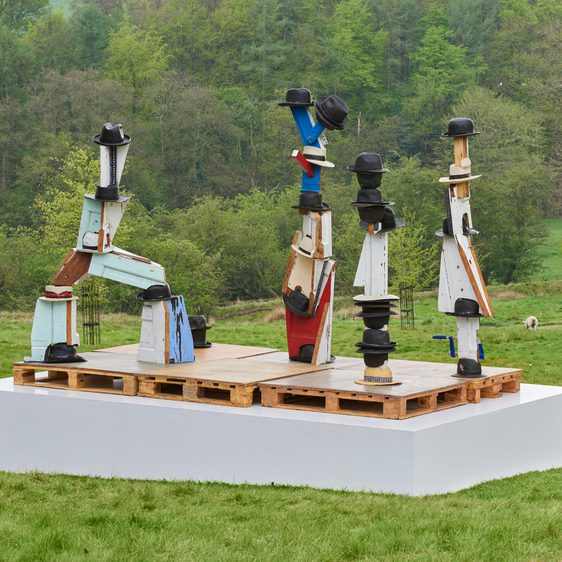
Damien Hirst: The Hat Makes the Man
The Hat Makes the Man is based on a 1920 collage of the same name by the Surrealist artist Max Ernst. Hirst has made a sculpture version with bronze casts of wooden pallets, like a sculptural collage. - News
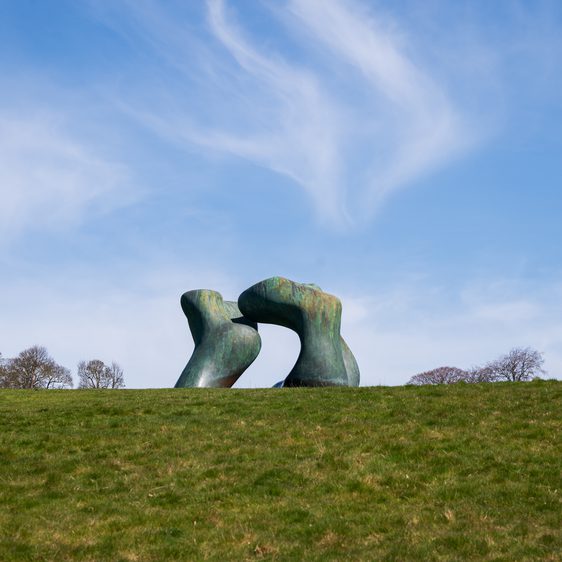
A selection of Henry Moore works from YSP are to be included in an exhibition at Kew
25 August 2025 - Art Outdoors
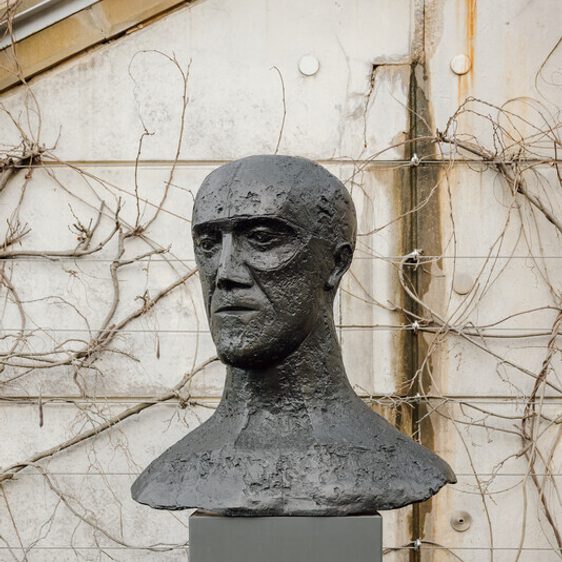
Elisabeth Frink: In Memoriam II
Frink succeeds in capturing a sense of defiance with In Memoriam II as the features of the figure express great sadness but also a sense of dignity.