Mister Finch: The Wish Post
– YSP CentreAbout Mister Finch: The Wish Post
More than 75 individual soft sculptures showcase Finch’s masterful combination of up-cycled and new materials, from discarded wire, steel and wood, to vintage tapestries, cross stitch samplers, tablecloths, antique silverware and rescued cloth. The self-taught artist has drawn inspiration from British folklore, the historic Bretton Estate and Yorkshire wildlife to create his textile wonders.
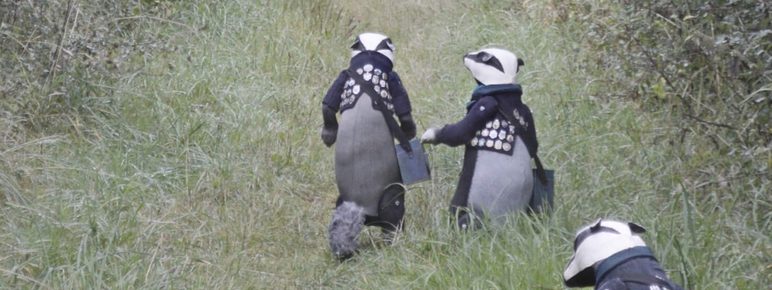
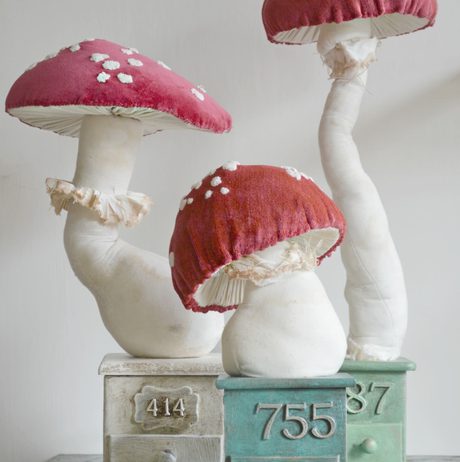
Finch’s Gothic YSP fairytale centres around the story of The Wish Post, a magical kingdom of woodland animals whose job it is to collect and sort other creatures’ wishes, which are breathed into envelopes and posted in toadstool postboxes. For one night each year, The Wish Post creatures have the chance for their own dreams to be whisked away by the wind and come true. Badgers in blue jackets, hedgehogs playing brass bells, thimble-tailed rats, elegant swans, long-eared rabbits, and dapperly-dressed moles – all life-sized – gather together to prepare the wishes for the wind, ahead of The Wish Post festival.
All works in the exhibition are available to buy, along with a special range of merchandise for YSP Shop comprising bespoke hand-embroidered tea towels and tote bags, and fabric patches.
The exhibition is also accompanied by a brand-new publication, self-published by Finch, which documents his journey creating The Wish Post and includes behind-the-scenes photography.
‘Humanising animals with shoes and clothes is something I’ve always done and I imagine them to come alive at night. Most of my pieces use recycled materials, not only as an ethical statement, but I believe they add more authenticity and charm…a story sewn in, woven in’ - Mister Finch
You might also like
- Art Outdoors
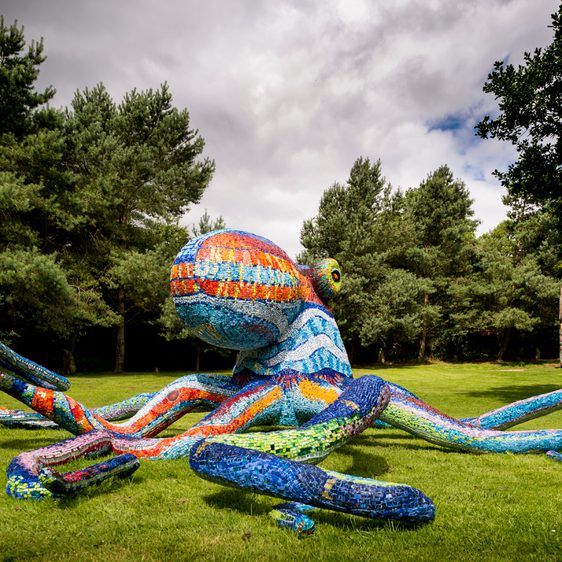
Marialuisa Tadei: Octopus
Octopus (Polipo) is formed of hand-cut, coloured glass tiles which are carefully pieced together over the concrete and steel structure. It is a key example of Tadei’s use of mosaic to elevate everyday forms into a more ethereal realm. - Profile

Saad Qureshi
- Art Outdoors
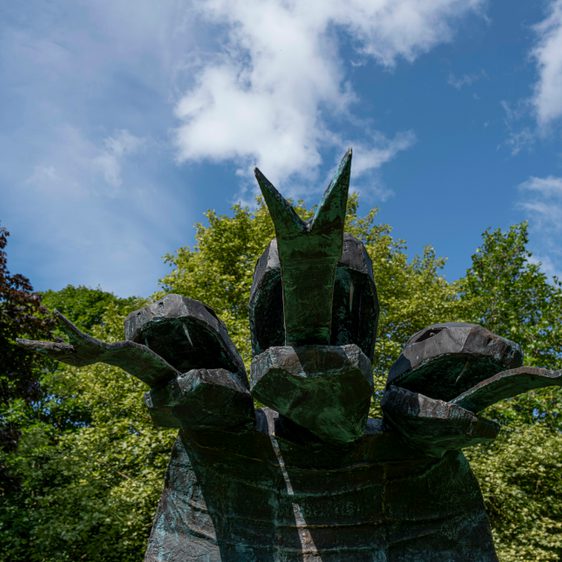
Jordy Kerwick: Hydra vs Bear
Hydra vs Bear shows an epic battle between the gigantic water serpent from Greek mythology and a two-headed bear. - Art Outdoors
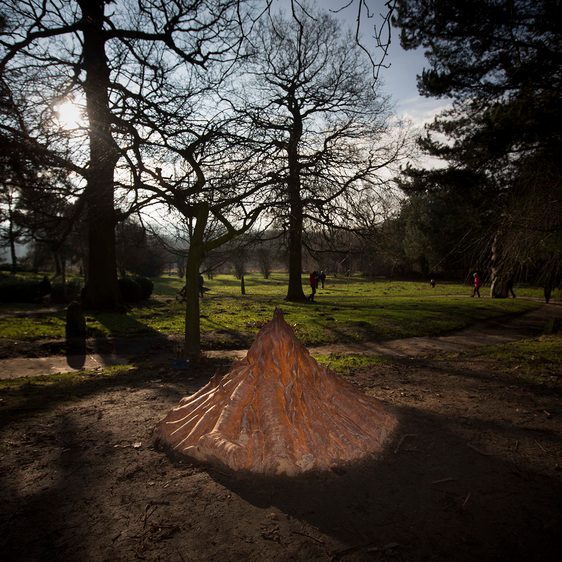
Kenny Hunter: Bonfire
Kenny Hunter’s work is an examination of popular culture through the legacy of a darker history that continues to shape contemporary life. His work disrupts traditional modes of sculpture presentation by using bronze, which is associated with traditional statues or monuments, in combination with humble or everyday subject matter. This can be seen in the Bonfire works that are in the YSP landscape.