Kan Yasuda: Marble and Bronze
– OutdoorsAbout Kan Yasuda: Marble and Bronze
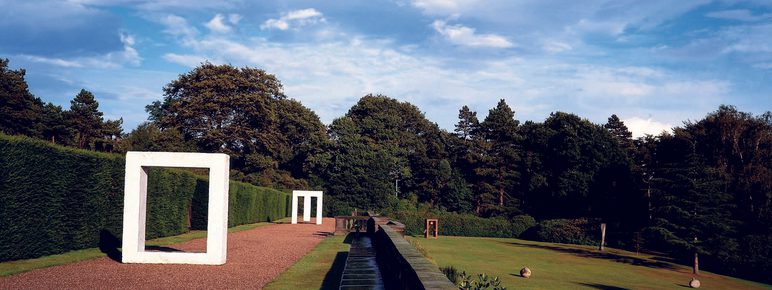
YSP had nurtured the proposal of a major one-person exhibition by Kan Yasuda, ever since his work had been included in their 1988 exhibition Sculptura: Carving from Carrara, Pietrasanta and Massa. The result was this exhibition of 18 marble and bronze sculptures by the leading Japanese artist.
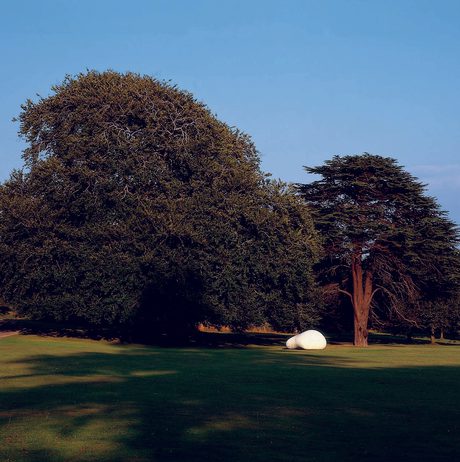
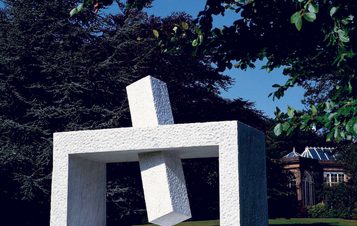
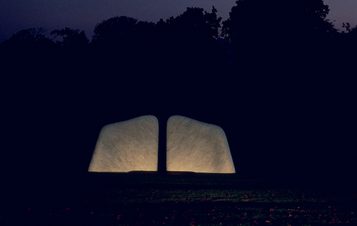
Weighing up to 20 tonnes and carved from single blocks of white Carrara marble, a number of works were made especially for YSP. Sparingly sited throughout 100 acres of the Park, the exhibition made full use of clear space, which created tensions between the sculptures. Magnificently set against the lush green and autumnal landscape they continued to develop and change with the seasons.
Born on the island of Hokkaido, Japan in 1945, Kan Yasuda studied in Tokyo and Rome, eventually moving in 1973 to Pietrasanta near the great marble quarries of northern Italy. Here Yasuda continued to work, producing extraordinarily beautiful but simple sculptures, which at once appeared to have come from the landscape, and at the same time to stand apart from it. This reference to the earth and spirituality was at the core of Yasuda’s work, which was imbued with a palpable meditative quality. Yasuda’s ideas stemmed from humankind’s relationship to the forces of nature and a deep respect for stone, which kept within itself a truth to be uncovered.
You might also like
More- Art Outdoors

Erwin Wurm: Balzac
This 3.2m high painted aluminium work was created for the Trap of the Truth exhibition, and was generously donated to YSP by Erwin Wurm when the exhibition closed. - Profile

Pui Lee
Artist Educator - News
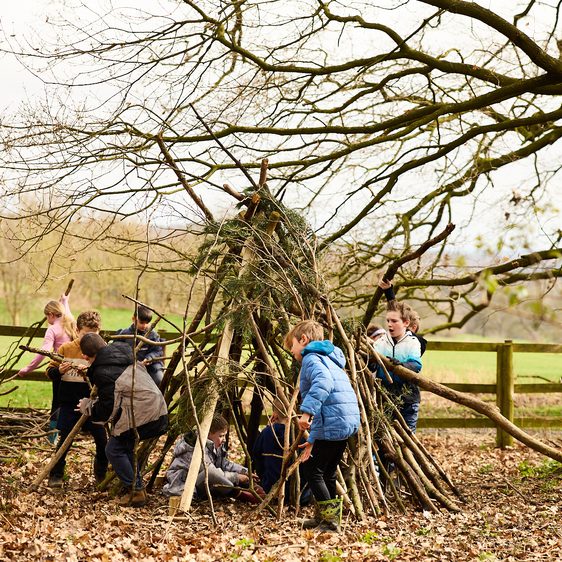
YSP unveils a new family friendly outdoor play space, combining sustainable natural materials and sculpture by local artist Brian Fell.
25 March 2024 - News
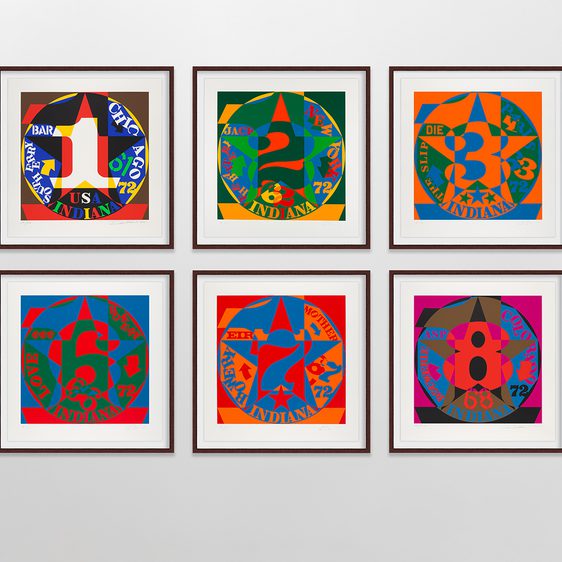
Robert Indiana for Yorkshire Sculpture Park – A Benefit Print Exhibition
20 February 2024