James Lee Byars
– Chapel, Bothy GalleryAbout James Lee Byars
Like a sculptural sigh of wonderment, the piece is typical Byars: touching, vulnerable and ethereal
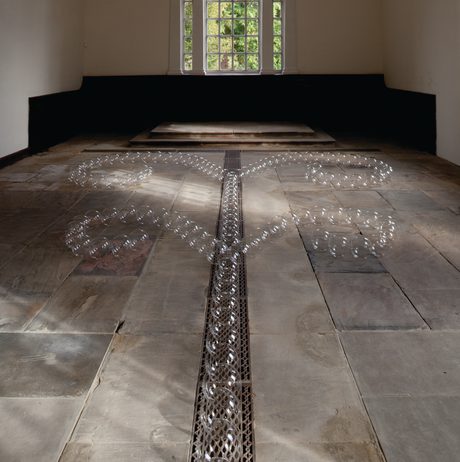
The historic Chapel was converted into a unique exhibition space in 2009 with The Angel, a spellbinding work by the late American artist James Lee Byars (1932–1997).
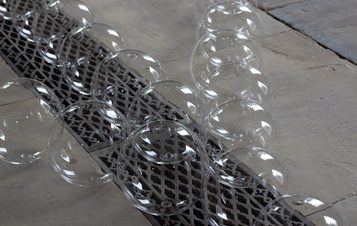
Built in 1744, YSP opened the Chapel to the public for the first time since its deconsecration to showcase The Angel (1989). The work comprises 125 Murano glass spheres, each one hand-blown using just a single breath, arranged in curves based on the Japanese Kanji character for ‘angel’.
Byars visited YSP in 1996 and was beguiled by the place and its atmosphere: it was fitting that his work created a graceful statement in a place that already contains a meditative presence.
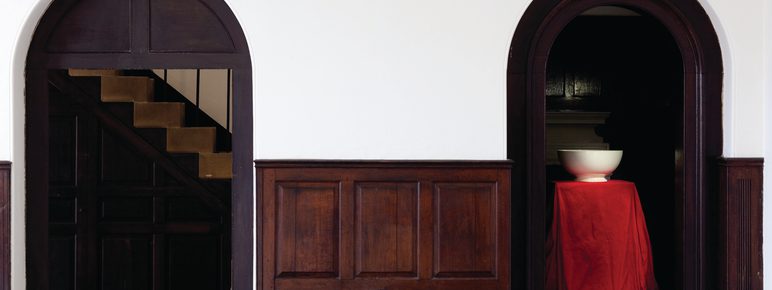
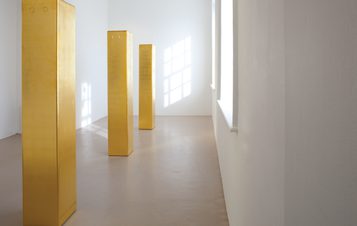
A further selection of sculpture, incorporating themes and motifs explored by Byars throughout his career, was shown in the Bothy Gallery giving visitors the opportunity to experience a significant installation by this intriguing artist known for profound and challenging performance and sculpture.
The Grade II* listed Chapel, set in the 18th-century landscape, is a sandstone Georgian church built to serve the Bretton Estate and designed by Sir William Wentworth whose family owned the estate until 1792. It continued to be used for services for the local village until the early 1990s when it was deconsecrated and a new church was built in the village.
Works were kindly loaned by Michael Werner Gallery.
You might also like
More- Art Outdoors

Sean Henry: Seated Figure
- Art Outdoors
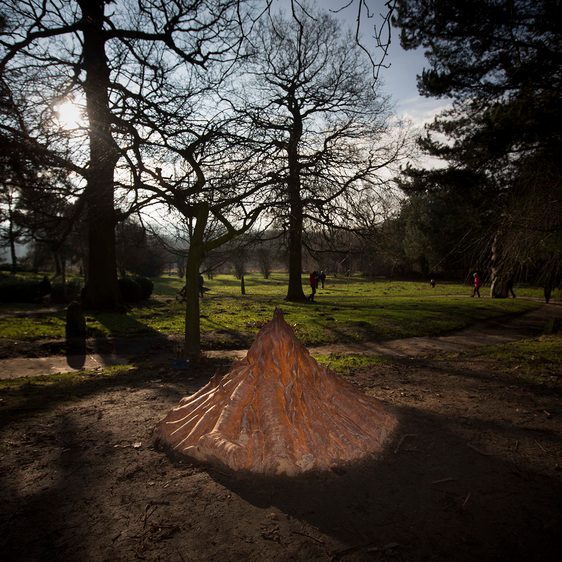
Kenny Hunter: Bonfire
Kenny Hunter’s work is an examination of popular culture through the legacy of a darker history that continues to shape contemporary life. His work disrupts traditional modes of sculpture presentation by using bronze, which is associated with traditional statues or monuments, in combination with humble or everyday subject matter. This can be seen in the Bonfire works that are in the YSP landscape. - Profile
Alice Boff
- News
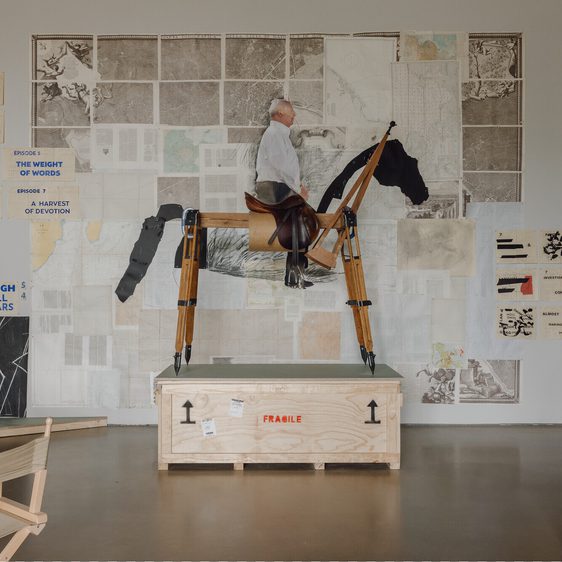
YSP launches William Kentridge audio guide
31 March 2026