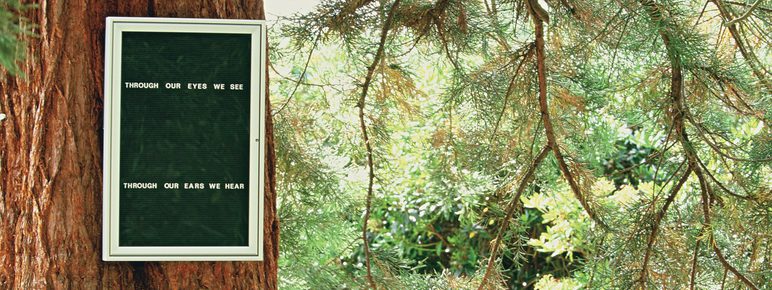
Bethan Huws: Boats
–About Bethan Huws: Boats
Bethan Huws’ delicate, oddly intriguing and rigorous works continued a vein of artistic enquiry initiated by Marcel Duchamp in the early 20th century: ‘art as idea’. As though peeling an onion, she revealed layer on layer of meaning in language with incisive intellectual clarity.
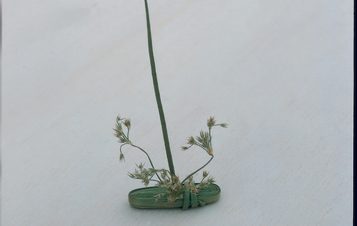
Shown in the exhibition were Boats, formed from a single length of grass spiralled in on itself. They were elemental within the artist’s work and they derive from her childhood culture; self-contained and centred, they conveyed considerable presence far beyond their size. 11 shell and feather works, accompanied by lilting and descriptive texts, were from the Figure series. Shells and feathers have been the subjects of Huws’ watercolours; here she took beautiful ready-mades – feathers from magpies, golden pheasants and mallards – to create physical, poetic works. They outlined her preoccupation with the natural world, language, biology and memory.
YSP commissioned the artist to make a new work, which resulted in a play script entitled Ion On. This work drew together many of the complexities that Huws dealt with in her work, including language, the status of the art object and creativity, love and power relationships.
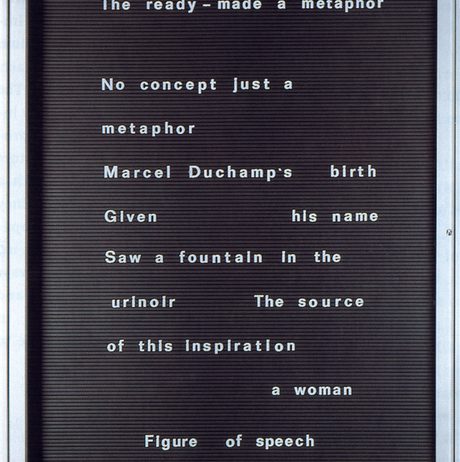
A quick survey of Bethan Huws's work suggests that she's an artist who is hard to keep up with
You might also like
More- News

Double delight for YSP at 2023 Yorkshire Post Tourism Awards
5 December 2023 - Art Outdoors
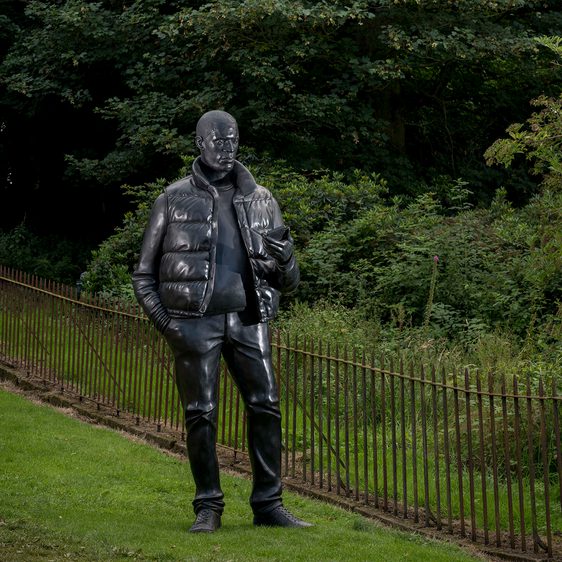
Thomas J Price: Network
In Network, Thomas J. Price continues his exploration of identity and representation. He creates sculptures that represent people of African descent to disrupt the typified figures shown in classical Roman and Greek art, and to question who we chose to celebrate in artworks. - Art Outdoors
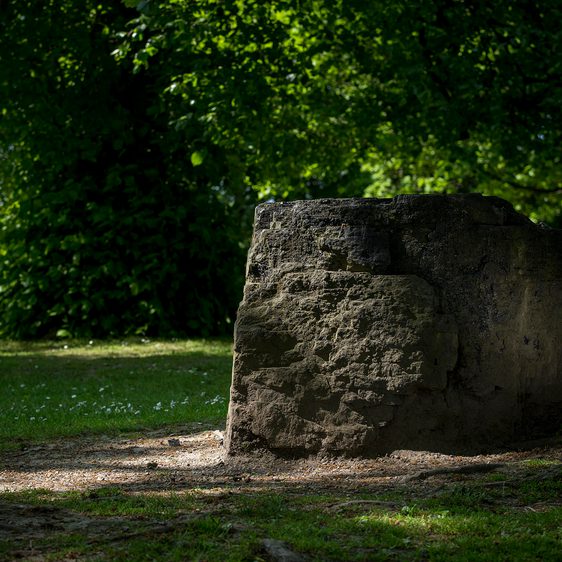
David Nash: Barnsley Lump
Barnsley Lump is a rough-cut block of local coal that connects to the geological and social history of the area. It is gradually disintegrating back into the earth, as Nash anticipated, describing it as a ‘going’ work. - News
Tune Into Nature Music Prize reveals 2025 winner
3 March 2025