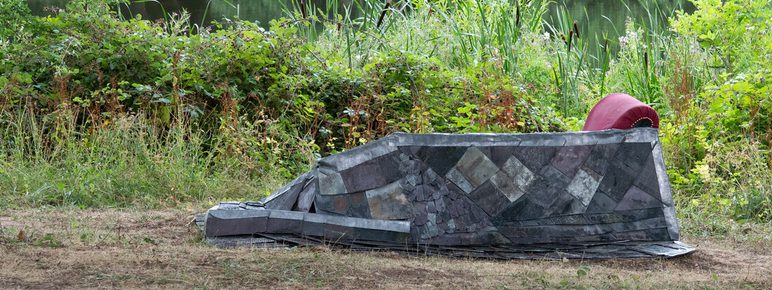
Andi Walker: Wrapped in Cold Hard Comfort
Summer 2026 OutdoorsAbout Andi Walker: Wrapped in Cold Hard Comfort
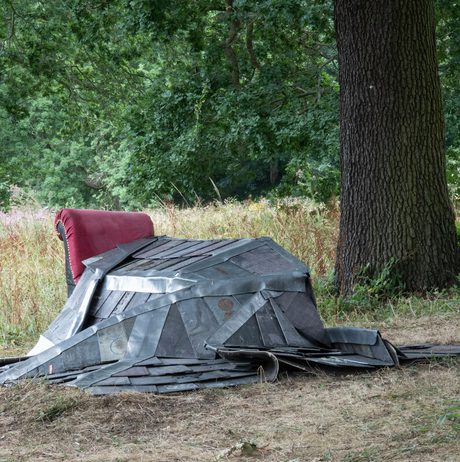
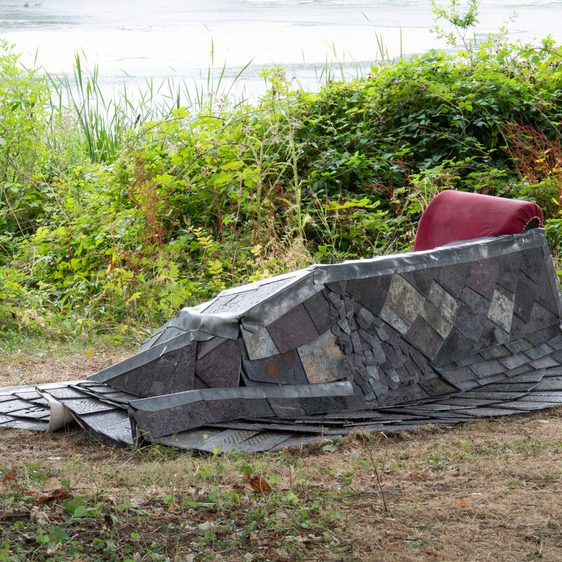
From summer 2026, Leeds-based artist Andi Walker presented Wrapped in Cold Hard Comfort, a new outdoor sculpture which you can now see at Lower Lake.
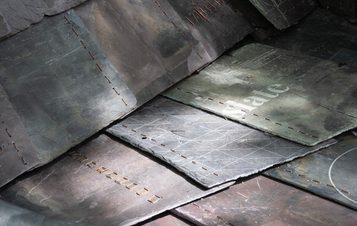
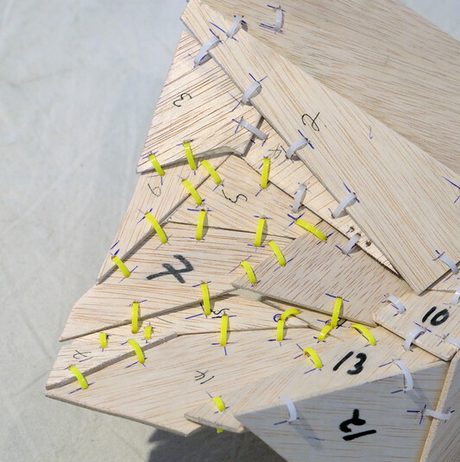
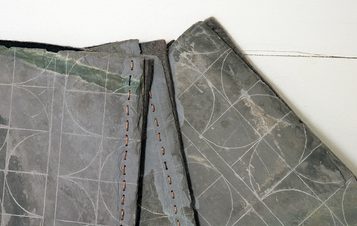
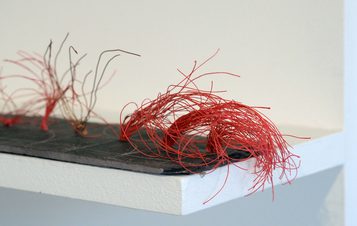
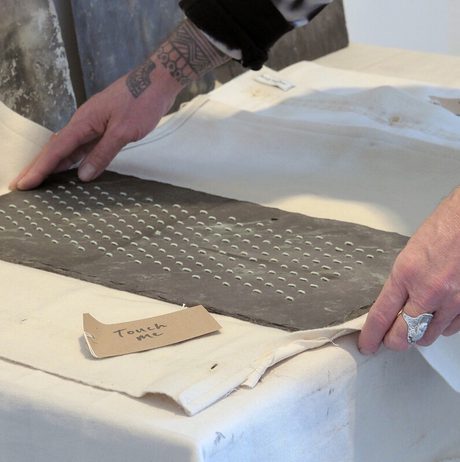
Taking the form of an articulated slate quilt draped over a chaise longue, the sculpture challenges assumptions around softness, pliability, and domesticity traditionally associated with textiles. By working with slate as their material, Walker emphasises contrasting qualities of weight, hardness and discomfort. The physical act of stitching into its resistant surface is a metaphor for resilience, mirroring the daily persistence required by those living with chronic illness, disability, or adversity. As the work weathers and elements of it gradually disintegrate, it also reflects on permanence in outdoor sculpture.
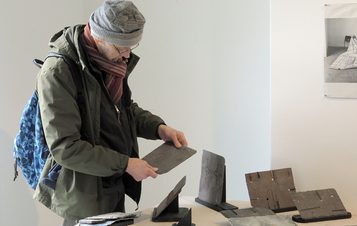
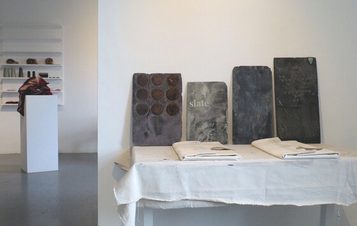
Walker first worked at YSP in 2022, creating the participatory project Stitched Stories as part of the group exhibition On Queer Ground, and then displayed the resulting quilt in 2023. This sculpture marks a pivotal development in Walker’s practice, moving from its foundations in textiles into sculptural form, the work expands their visual language through new materials and processes. Wrapped in Cold Hard Comfort is made possible by an Arts Council England National Lottery Project Grant. In February 2026, Andi presented their work-in-progress for Wrapped in Cold Hard Comfort in the Bothy Gallery.
You may also like
- Art Outdoors
Andi Walker: Wrapped in Cold Hard Comfort
Wrapped in Cold Hard Comfort, combines a slate quilt with a chaise longue which has been designed to weather and age during it's installation outdoors. 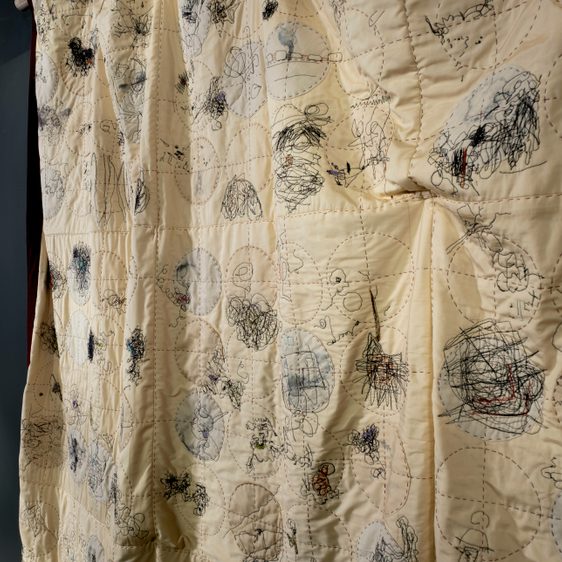
Andi Walker: Stitched Stories
–On display at YSP Centre, Stitched Stories is celebration of a three-month project that took place as part of YSP’s Summer of Love in 2022, bringing together 144 stories from visitors to the Park and is an acknowledgment that everyone’s story is unique and important.
On Queer Ground
–Rural environments are frequently seen as existing in opposition to queerness, with urban spaces typically being more accepting places for LGBTQIA+ people. This exhibition looks at ways in which queer artists are re-connecting with the landscapes around them by mapping and navigating their queer identity within these places, and disrupting traditional or prescribed ways of looking and understanding.