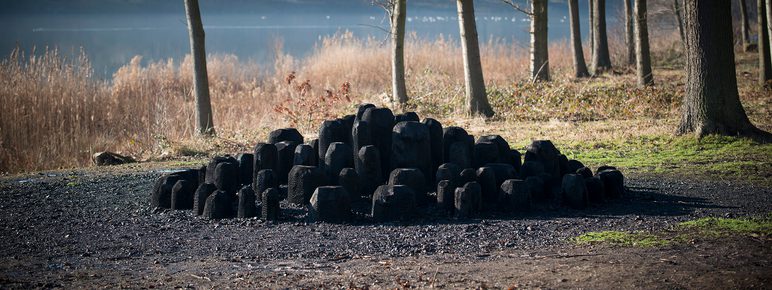
David Nash: Black Mound
Art OutdoorsDavid Nash: Black Mound
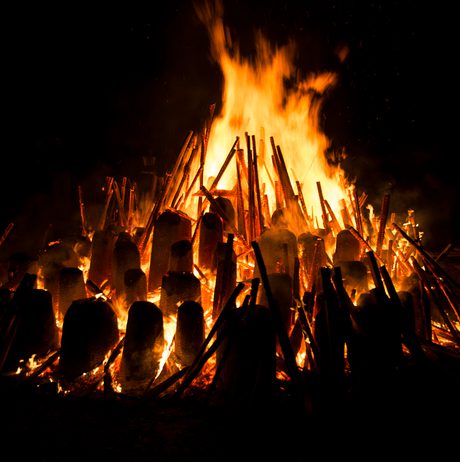
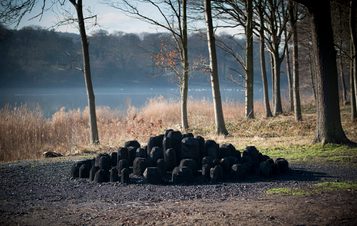
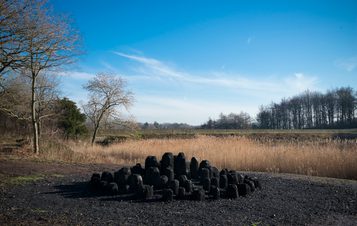
Black Mound was made for the YSP landscape by David Nash in 2013. Once in place, he charred the oak forms through a carefully controlled burning process that relates to his interest in the four elements.
Colour is integral to the artist’s practice, but he grew dissatisfied with earlier experiments with painting wood because the colour seemed to sit on the surface, rather than becoming part of the work. His method of charring wood addressed this issue and has become an important aspect of his sculpture.
Human experience of landscape is fundamental to Nash’s practice. He strives to make positive interventions in his environments and to work with natural processes to make sense of, and to celebrate, the world around us and our place within it.
You might also like
- Art Outdoors
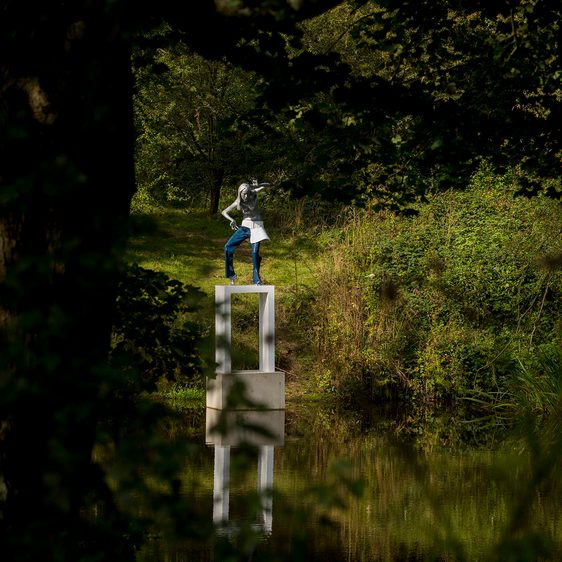
Lucy + Jorge Orta: Diana
Woodland Spirit – Diana, formerly known as Ulbelka, was renamed by the artists in 2014 to reflect its current location at YSP. - Art Outdoors
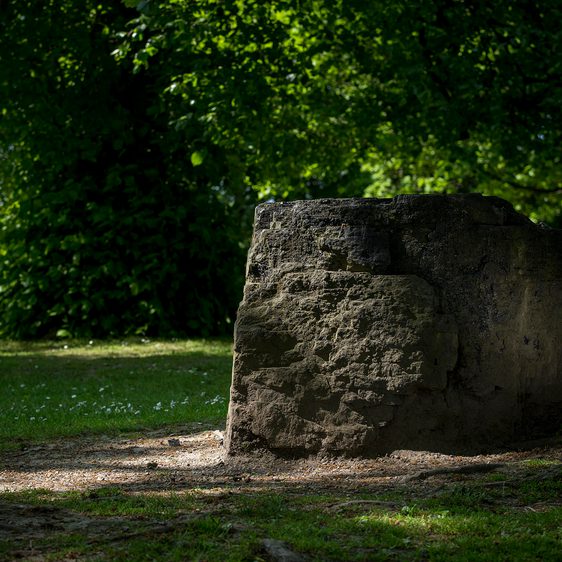
David Nash: Barnsley Lump
Barnsley Lump is a rough-cut block of local coal that connects to the geological and social history of the area. It is gradually disintegrating back into the earth, as Nash anticipated, describing it as a ‘going’ work. - Art Outdoors
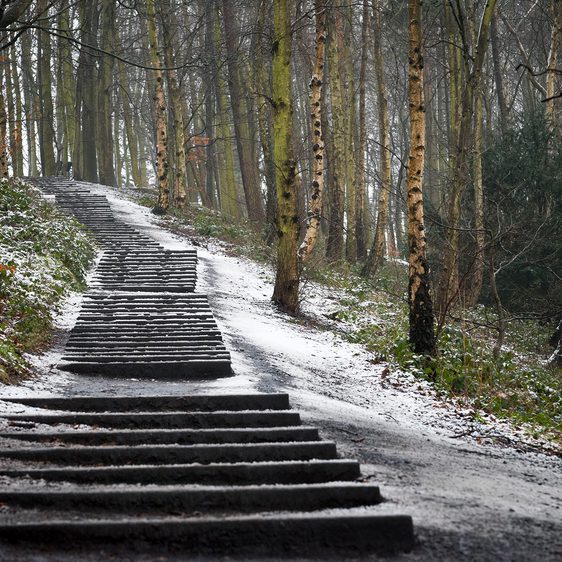
David Nash: Seventy-one Steps
71 oak slabs were charred and oiled on site before installing, and were placed to work with the lie of the land. The steps are completed by 30 tonnes of coal surrounding the steps, creating a stunning installation that will erode and change over time. - Art Outdoors
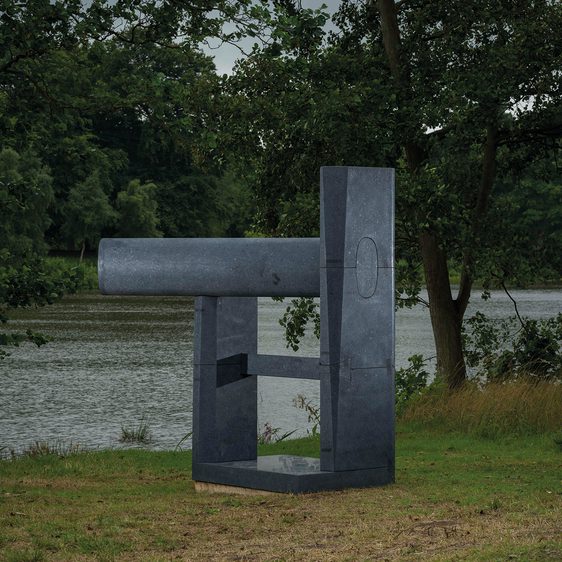
Jørgen Haugen Sørensen: Supplement til Titlens Afskaffelse
Supplement til Titlens Afskaffelse (Supplement to the Title’s Abolition) embodies Haugen Sørensen’s respect for and relationship with granite. After YSP organised his first solo exhibition in the UK in 1993, the artist developed a great interest in siting sculpture in the open air, enjoying the tough, uncompromising nature of granite, which is one of our hardest and most unyielding stones.