
Miró: Sculptor
– Peter Murray Gallery, OutdoorsAbout Miró: Sculptor
Everyone knows Miró as the artist of big, colourful canvases – but this survey of his sculpture gives him another dimension.
In collaboration with the artist’s foundations and family, YSP was proud to present the first major UK exhibition of sculpture by Joan Miró, one of Europe’s most important 20th century artists. The exhibition described the extraordinary wealth of Miró’s sculpture, much of which was made in the second half of his life. With key works set in the landscape, the exhibition set out to fulfil the artist’s desire that “sculpture must stand in the open air, in the middle of nature”.
Many of the outdoor works are rarely seen outside his foundations in Barcelona and Palma de Mallorca and the exhibition offered a unique opportunity to experience almost 40 years of sculpture from an intensely creative period.
The Underground Gallery traced the evolution of what Miró referred to as his “phantasmagoric world of living monsters” and included a number of large, wonderfully vivacious works on paper. In addition, through seldom-seen family photographs, sketches and notes, together with found objects and plasters, we gave a fascinating insight into Miró’s working practice.
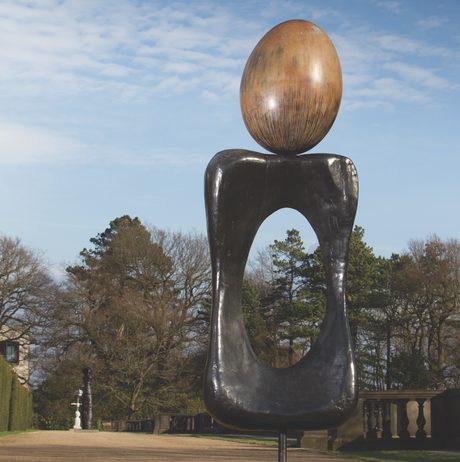
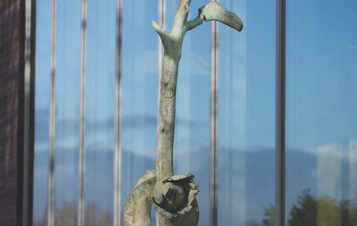
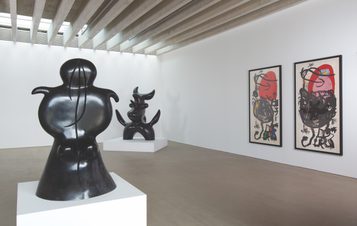
Though generally less known and critically examined than his painting, Miró came to consider his sculpture as equally important. He was rooted in a deep sense of national identity but these works reflect something far deeper than love for Catalonia, Spain and their people. Often assembled from humble artefacts – bowls, a tap, worn soap, tin-cans, a pebble, a hand-woven basket – they speak of Miró’s profound respect for humanity and are a homage to the richness of simple living.
This elegant and civilised art preserve has a wicked old visitor.
You might also like
More- News

The Weston Restaurant named winner of Trip Advisor Travellers' Choice Award
28 September 2023 - Profile
Jim Brook
WCCD x YSP Residency 2023 - News
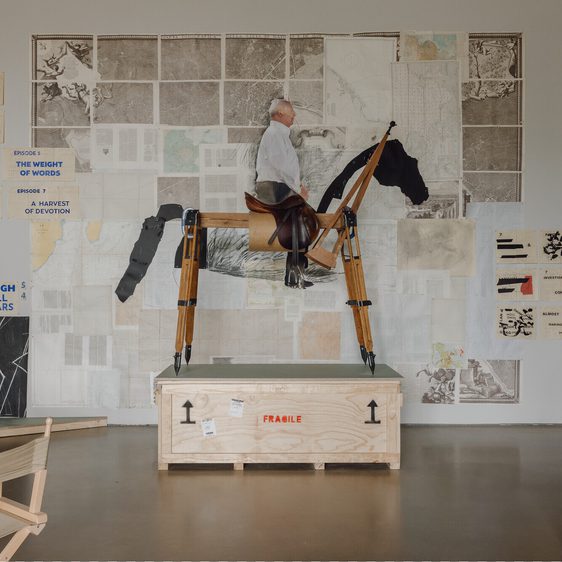
YSP launches William Kentridge audio guide
31 March 2026 - News
Staff profile: Elsie Swannick, Retail Development and E-commerce Officer at YSP
11 November 2025