Press Story
Presented in collaboration with Tia Collection, Hold to This Earth is a landmark exhibition of contemporary Indigenous North American art on a scale never seen before in the UK. Bringing together 65 works by 38 artists, and including two significant new commissions, it also marks the first group exhibition staged in YSP’s prestigious Underground Gallery in its 20-year history.
Spanning sculpture, film, photography, painting, ceramics and fibre art, Hold to This Earth is an expansive cross-generational exhibition that offers a rare insight into the broad spectrum of work being produced by Indigenous North American artists today. The unifying theme connecting their diverse practices is the deep, complex and enduring relationship between people and land. Set within 500-acres of historic parkland shaped by centuries of human and non-human activity, YSP is well placed to hold conversations about land, material, memory and community. The title of the exhibition is drawn from Defend Sacred Mountains, a series of text-based monoprints by artist, activist and teacher, Hock E Aye Vi Edgar Heap of Birds. It is a call to action that evokes resilience, continuity and connection.
Representing over 35 Tribal Nations and multiple generations, established and internationally renowned practitioners are seen alongside emerging voices. They reference and honour ancestral knowledge whilst being steadfastly contemporary, asserting a powerful presence and countering narratives of erasure that too often position Indigenous cultures only in terms of the past.
Hold to This Earth features the work of DC Allen, Neal Ambrose-Smith, Teresa Baker, Raven Chacon, Melissa Cody, Yatika Starr Fields, Nicholas Galanin, Jeffrey Gibson, Raven Halfmoon, Bob Haozous, Sheldon Harvey, Hock E Aye Vi Edgar Heap of Birds, Allan Houser, Zig Jackson, Sayo’:kla Kindness-Williams, Brad Kahlhamer, Sonya Kelliher-Combs, Matthew Kirk, Cannupa Hanska Luger, Dakota Mace, George Morrison, Michael Namingha, Virgil Ortiz, Mikayla Patton, Jaune Quick-to-See Smith, Wendy Red Star, Eric-Paul Riege, Cara Romero, Diego Romero, Rose B. Simpson, Roxanne Swentzell, Tyrrell Tapaha, Maggie Thompson, Zoë Urness, Kay WalkingStick, Marie Watt, Dyani White Hawk, and Emmi Whitehorse.
In their hands, materials such as clay, hide, wool, beads and natural pigments become carriers of powerful stories, memory and tradition, growing from a rooted connection to the natural world. Whilst distinct across each Nation, Indigenous cosmologies centre the earth as a living and nurturing entity where everything is interconnected. Across the works displayed, land is not a passive subject – it is pervasive and fundamental, acting as witness, participant, collaborator and material. Newer modes of expression and understanding emerging from digital culture also speak to the shifting landscapes of Indigenous life in the 21st-century and imagine new contexts.
Themes running through the exhibition include the deep, bodily connection to materials and familial, especially matrilineal, traditions of making. Works consider land as a holder of memory, ongoing struggles around land rights and sovereignty, and the enduring legacies of colonialism. They also explore place-based considerations of identity and Indigenous futurisms. These richly layered works pulse with colour, texture and pattern, creating dynamic, multi-dimensional expressions grounded in a powerful material presence.
Welcoming visitors into the gallery, Dakota Mace’s new site-specific commission, Kéyah Yinílniih (The Land Remembers) is a beautiful and potent presence that occupies an entire wall. This vast abstract, earthen painting evolved from a cyanotype that the artist made at YSP and uses natural dyes including woad, weld and madder root, along with clay and wool from the UK and earth from Mace’s home of Teejop to explore how often-hidden histories are embedded within the land. Mace works with land’s agency as a collaborator in her process, activating locations and allowing fragments of their narratives to be glimpsed.
In the first gallery space are works that reflect a tactile, embodied relationship to natural materials shaped over generations of accumulated knowledge through physical touch. Rose B. Simpson’sTonantzin (2021) is a ceramic figure that takes its name from a pre-Columbian Aztec mother goddess and holds in its hand a piece of unfired clay, expressing a fundamental connection back to the raw material of its making. Simpson’s work grows out of the matrilineal traditions of her native Santa Clara Pueblo, and work by her mother, Roxanne Swentzell, is also featured.
Tyrrell Tapaha is a sixth-generation weaver and shepherd who conflates traditional Navajo techniques with contemporary narratives, often relating to his queerness. Deeply engaged with his materials at every stage of production, he uses the wool from the flock he tends, dyeing it using plants he has grown or foraged. Ancestral Map of Return (2023) by Nicholas Galanin is a star map painted on deer hide that honours the remains of Indigenous individuals held in institutional collections and offers a poignant reflection on lineage, belonging and cultural continuity.
Works in the large central gallery space have a more activist emphasis, many addressing the reclamation of Indigenous identity and stolen land, alongside historic and ongoing protest and resistance, and calls for the protection of sacred sites. Zoë Urness’ photographic work No More Stolen Sisters (2019) highlights the issue of Missing and Murdered Indigenous Women and Girls. Cara Romero’s photographic doll box portraits confront the misrepresentation of Native culture as monolithic. They celebrate the diversity of different tribes through individual, named women, shown with distinct regalia, “all emerging from their landscape, their bioregions… thousands of years of cultural transmission”.
Pulitzer Prize-winning artist Raven Chacon’s haunting film Three Songs (2021) features three generations of women playing a snare drum and singing at sites of historic trauma, reoccupying space and asserting their voices. Yatika Starr Fields’ Tent Metaphor Standing Rock (2017) uses tents recovered from the high-profile demonstrations to resist the Dakota Access Pipeline that threatened the water supply and sacred sites of the Standing Rock Sioux.
The final gallery space presents works that use traditional materials and techniques in unexpected ways, often contrasting the natural with the artificial, imagining new and future possibilities for expressions of Indigeneity. Teresa Baker’s abstracted landscapes explore the idea of being encompassed by vast expanses of land, whilst also drawing attention to areas of detail. They combine an astroturf ground with materials including buckskin, bark and yarn. In TO MY NATION (2017), Jeffrey Gibson brings together pop music and the jingles, beadwork and fringing associated with regalia and traditional dance. Featuring a line from a song by Gladys Knight and the Pips, the work acknowledges the anthemic tunes central to queer nightlife and culture.
Surrounding the Underground Gallery, six outdoor works are sited in dialogue with the Yorkshire landscape. Standing powerfully, The Guardians (2024) by Raven Halfmoon is the artist’s first work at monumental scale. Drawing inspiration from earthworks created by Indigenous ancestors in North America and the iconic stone moai from Rapa Nui (Easter Island), the work asserts a timeless, grounded presence. It draws on the concepts of Neesh and Soku (Sun and Moon), with one half of each figure having a dark patina and the other half light, considering life’s dualities and referencing the Caddo origin story of their people emerging from within the earth.
A new outdoor commission called Bear’s Tipi by Hock E Aye Vi Edgar Heap of Birds honours eight Tribal Nations for whom the extraordinary titular magma monolith is held sacred. Featuring their names – Cheyenne, Kiowa, Lakota, Arikara, Hidatsa, Mandan, Crow and Arapaho – the work takes the form of eight street signs arranged in a circle, asserting presence and Indigenous Sovereignty within the landscape and calling for the protection of natural monuments that are being desecrated.
Sited in relationship to a statuesque ash tree, Trade Canoe: King of the Mountain (2025) by Jaune Quick-to-See Smith honours the rare white bison known as Big Medicine that held great symbolic significance for Smith’s community, but his remains were confiscated for taxidermy and display by the US government. The Salish and Kootenai Tribes of the Flathead Valley fought for years for his return, underscoring enduring struggles over cultural stewardship.
Featured artist Teresa Baker says: “Hold to This Earth is a gathering of Native artists who share significant overlaps of the intrinsic relationship between culture and land, while also highlighting the breadth and differences of what being a Native artist can be, and the multitudes of storytelling whether narratively or abstractly. It is a true honour for me to be in this conversation, with these artists who are pushing ideas and materials.”
On his commission, Hock E Aye Vi Edgar Heap of Birds says: “Bear’s Tipi, a Wyoming National Monument, rising 1,267 feet upward, is respected by tribal entities. Native Nations worship and continue to conduct ceremonies there. My sculpture is a 30ft diameter circular form honouring the sacred site, having a pallet of eight colours representing tribal ways, and made up of eight metal tribal text sign panels.
“The mission of the artwork is to offer a naturalistic sensibility of the Native circular continuum, from a multi-tribal perspective, to Park visitors and UK citizens in their own environment. It is exciting to look ahead to this productive Indigenous expression in England and the bringing together of a unified awareness of the shared sky and stars which pass daily above us all.”
Presenting Hold to This Earth in a European context carries important responsibilities. The exhibition has been informed by dialogue with Indigenous artists, advisors and Tia Collection to ensure culturally respectful presentation, while inviting UK audiences to engage deeply with perspectives often underrepresented in European institutions.
Tia Collection is a global art collection dedicated to supporting artists and institutions through acquisitions and loans. Founded in 2007, the collection spans the 18th century to today, features more than 1,500 artists and facilitates around 100 loans annually to museums worldwide. Through partnerships, commissions, exhibitions and publications, Tia Collection fosters dialogue, stewardship and scholarship of art. The Collection began with, and has maintained, a devoted focus on contemporary Indigenous practices, and has evolved into a dynamic platform where modern, contemporary, and broader artistic traditions meaningfully intersect.
“Tia Collection is proud to partner with YSP on this landmark exhibition, facilitating a vital exchange between contemporary Indigenous North American art and UK audiences. For nearly two decades, the Collection has supported and advocated for these visionary artists who are actively shaping global conversations on identity, sovereignty, and creative practice. Hold to This Earth demonstrates why their material and intellectual connection to the land, interdisciplinary approaches and future-facing perspectives are vital to contemporary art today.” – Karon Hepburn, Director, Tia Collection.
A fully illustrated catalogue will offer newly commissioned essays – including by artist Rose B. Simpson and Site Santa Fe Curator Brandee Caoba – on the themes of the show, providing an important resource for scholars, artists and audiences. YSP’s related public programme of events will develop a deeper understanding of contemporary Indigenous North American art within a UK and European context, emphasising its breadth, diversity and importance.
Exhibition supported by Tia Collection.
Notes to Editors
Press enquiries
Mana Merikhy, Sutton / +44 (0)20 7183 3577 / mana@suttoncomms.com
YSP / +44 (0)1924 832 631 / comms@ysp.org.uk
Download images at ysp.org.uk/press
Listings information
Yorkshire Sculpture Park, West Bretton, Wakefield WF4 4LG
Near Wakefield and Barnsley – M1 Junction 38
+44 (0)1924 832631 | ysp.org.uk | @YSPsculpture
Check online for opening hours.
Book tickets at ysp.org.uk
Social media
Instagram: @YSPsculpture
Facebook: @YorkshireSculpturePark
LinkedIn: Yorkshire Sculpture Park
#YSPSculpture
Tia Collection
Instagram: @Tiaartcollection
High-res images
- JPG
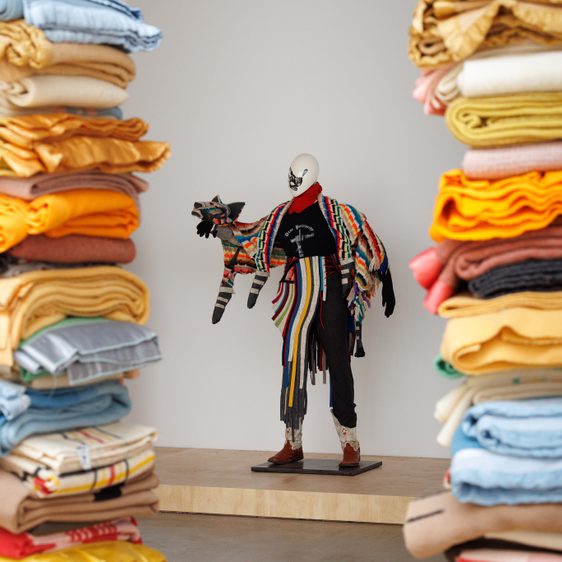
Hold to This Earth, 2026. Courtesy of Tia Collection. Photo © India Hobson, courtesy YSP
14.9 MB - JPG
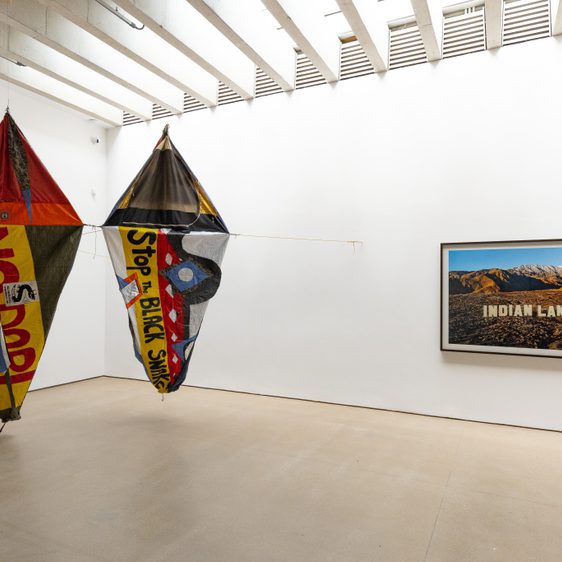
Hold to This Earth, 2026. Courtesy of Tia Collection. Photo © India Hobson, courtesy YSP
16.3 MB - JPG
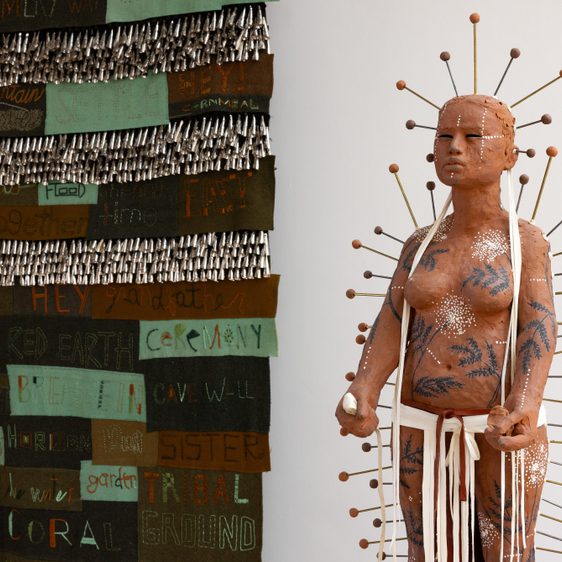
Hold to This Earth, 2026. Courtesy of Tia Collection. Photo © India Hobson, courtesy YSP
13.8 MB - JPG
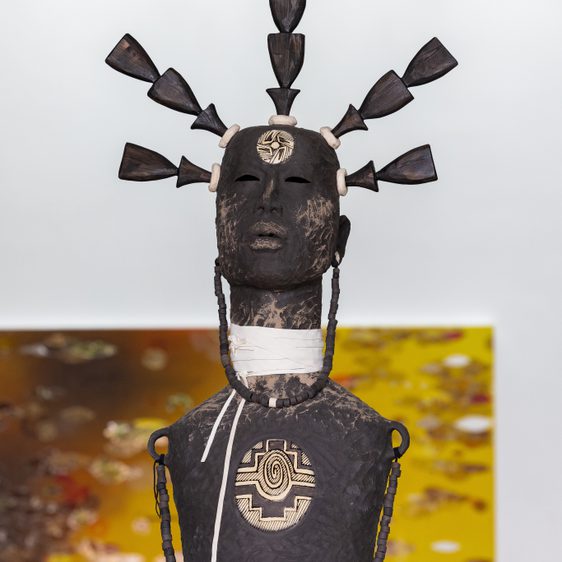
Rose B Simpson, Daughter, 2023. Courtesy of Tia Collection. Photo © India Hobson, courtesy YSP
14.2 MB - JPG
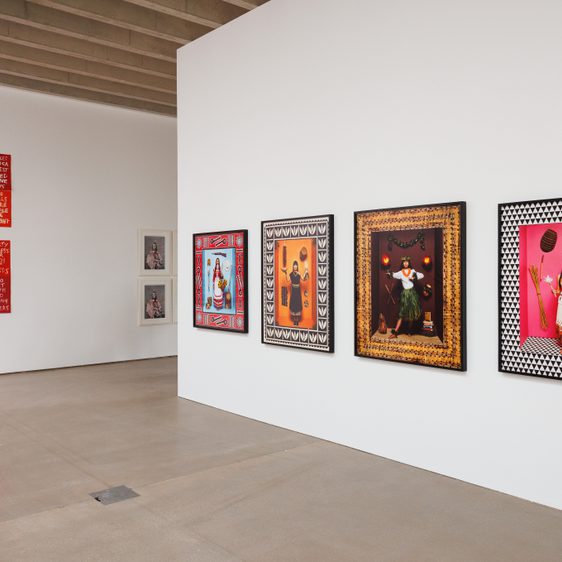
Hold to This Earth, 2026. Courtesy of Tia Collection. Photo © India Hobson, courtesy YSP
14.1 MB - JPG
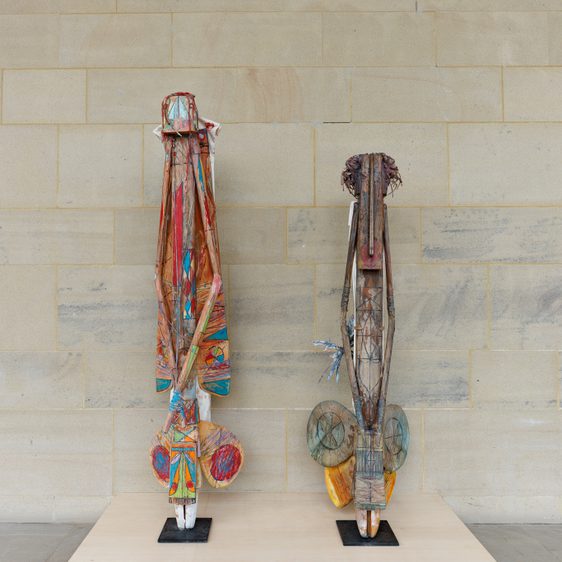
Sheldon Harvey, Yei Figure Large and Untitled, 2008. Courtesy of Tia Collection. Photo © India Hobson, courtesy YSP
18.3 MB - JPG
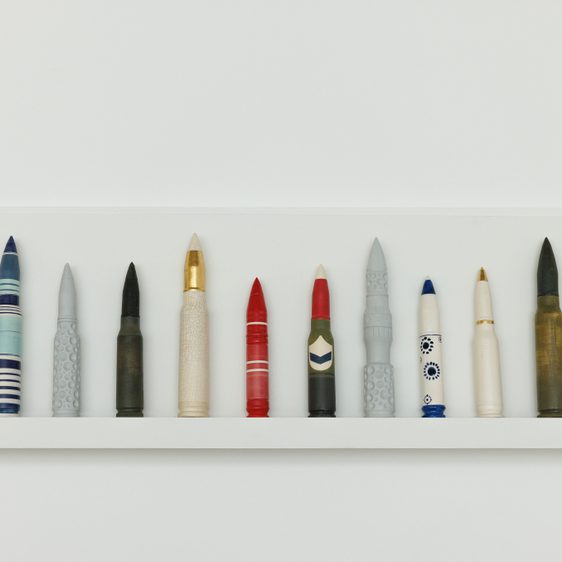
Cannupa Hanska Luger, Rounds, 2026. Courtesy of Tia Collection. Photo © India Hobson, courtesy YSP
10.8 MB - JPG
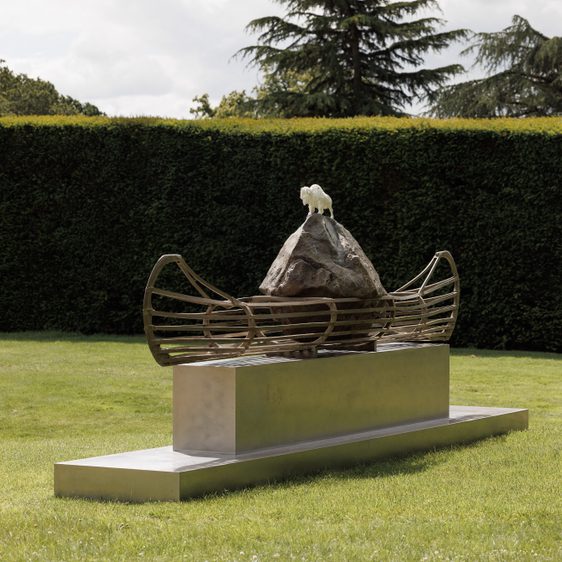
Jaune Quick to See Smith, Trade Canoe King of the Mountain, 2026. Courtesy of Tia Collection. Photo © India Hobson, courtesy YSP
11.9 MB - JPG
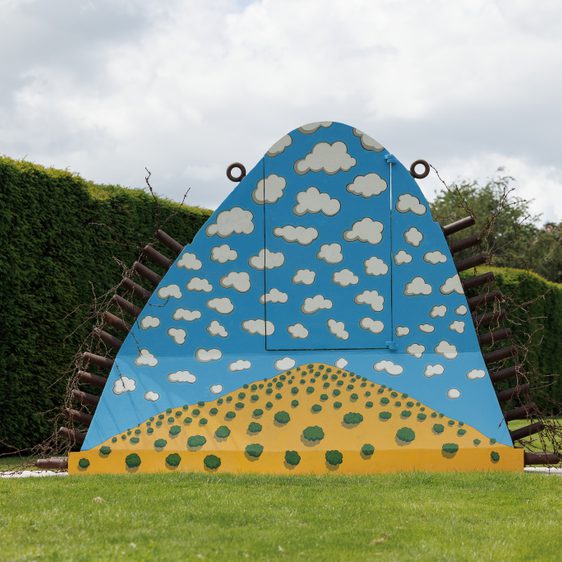
Bob Haozous, Border Crossing, 2026. Courtesy of Tia Collection. Photo © India Hobson, courtesy YSP
11.1 MB - JPG
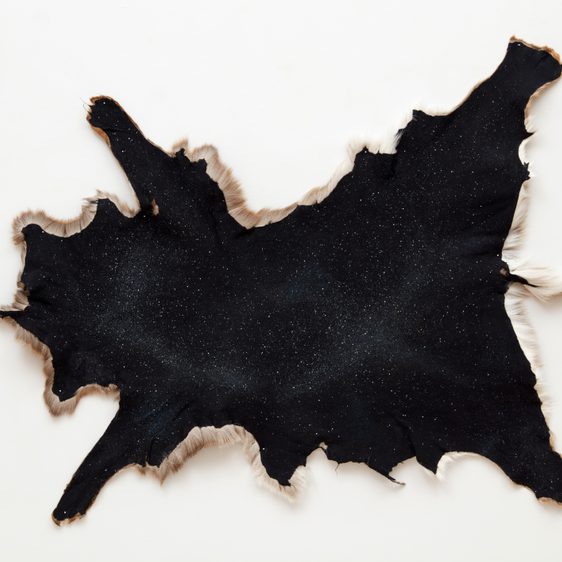
Nicholas Galanin, Ancestral Map of Return,2023. Image courtesy of the artist and Peter Blum Gallery, New York, NY. Photo © Jason Wyche, courtesy YSP
5.1 MB - JPG
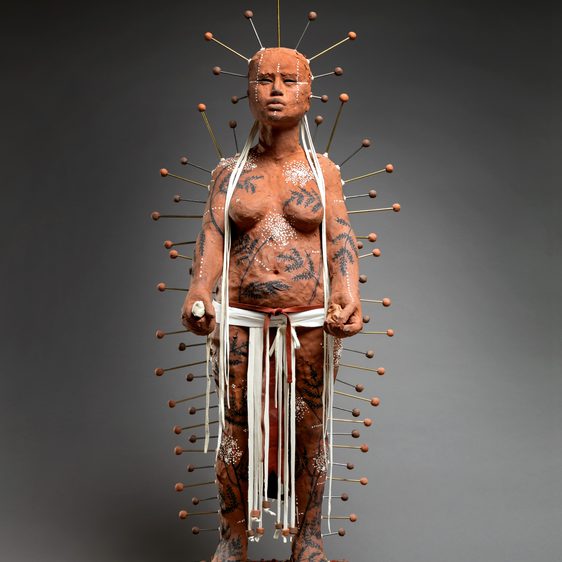
Rose B Simpson, Tonantzin, 2021. Image courtesy of Chiaroscuro Contemporary Art. Photo © Addison Doty, courtesy YSP.
3.1 MB - JPG
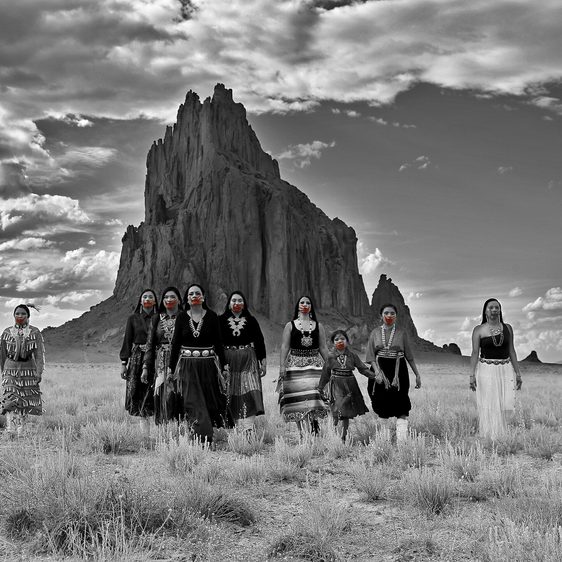
Zoe Urness, No More Stolen Sisters, 2019. © Zoe Urness and Tia Collection. Image courtesy of the artist. Photo © Zoe Urness, courtesy YSP
1.6 MB - JPG
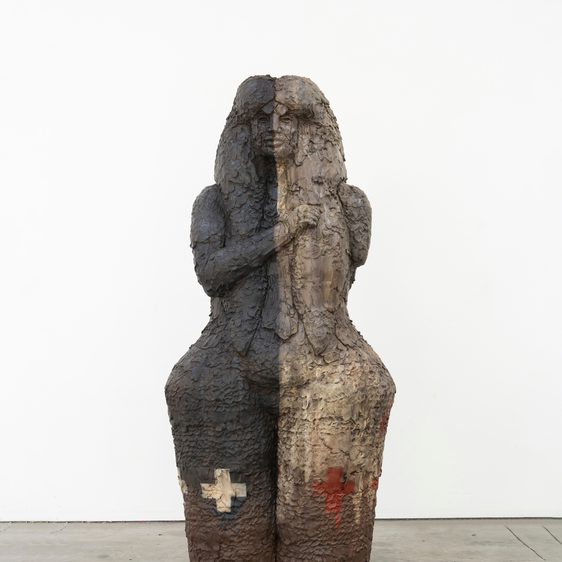
Raven Halfmoon, The Guardians, 2024. Courtesy of the artist and Tia Collection. Photo © Salon 94, courtesy YSP
14 MB - JPG
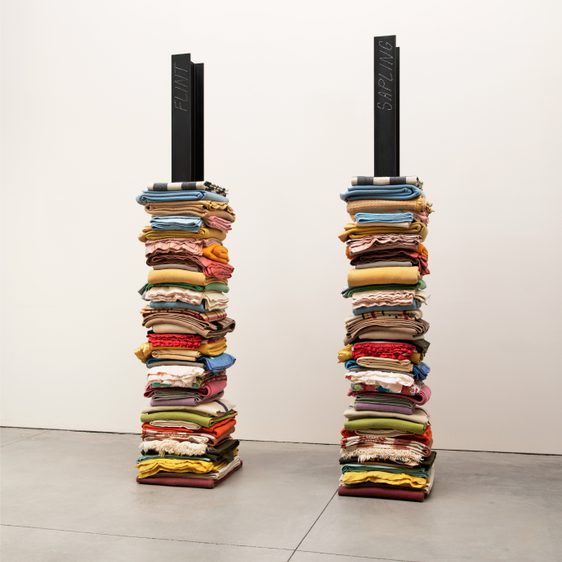
Marie Watt, Skywalker Skyscraper Twins Flint Sapling, 2020. © Marie Watt and Tia Collection. Image courtesy of Marie Watt Studio and MARC STRAUS, New York. Photo © Jamie Hart, courtesy YSP 2
6.2 MB - JPG

Cara Romero, Julia, 2018. Image courtesy of Cara Romero Gallery, Santa Fe, NM. Photo © Cara Romero Gallery, Santa Fe, NM.
621 KB - JPG
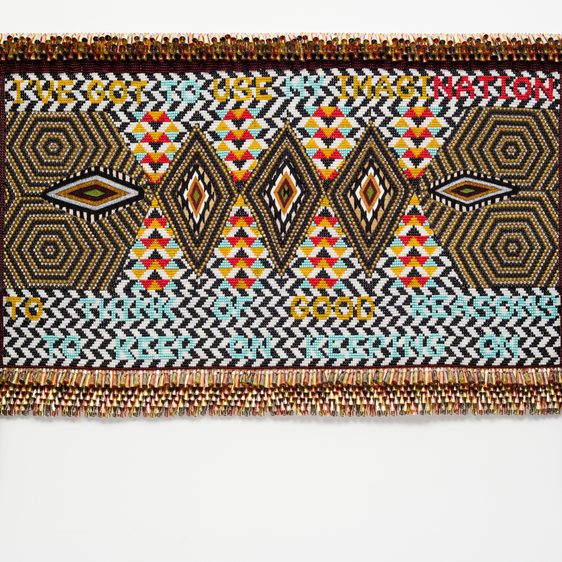
Jeffrey Gibson, TO MY NATION, 2017. Image courtesy of the artist and Roberts Projects Culver City, CA. Photo © The Artist and Roberts Projects Culver City, CA, courtesy YSP
6.2 MB - JPG

Cannupa Hanska Luger Sweet Land Coyote, 2020. Photo © James Hart, courtesy YSP
7.4 MB - JPG
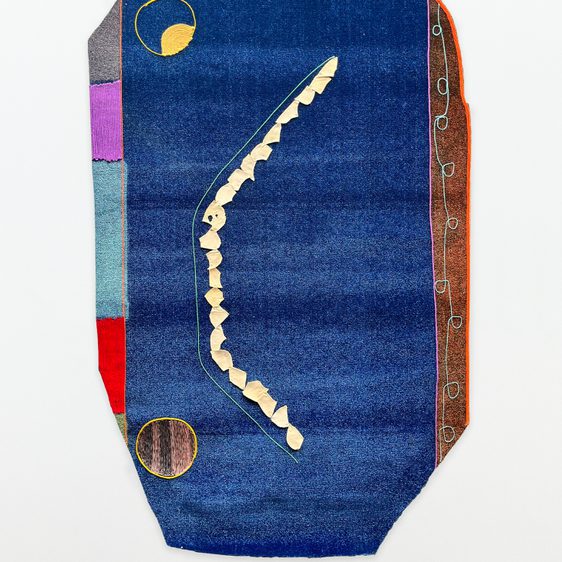
Teresa Baker, Infinite, 2023. Courtesy of the artist and de boer Los Angeles, California. Photo © Jacob Phillip, courtesy YSP
4.4 MB - JPG
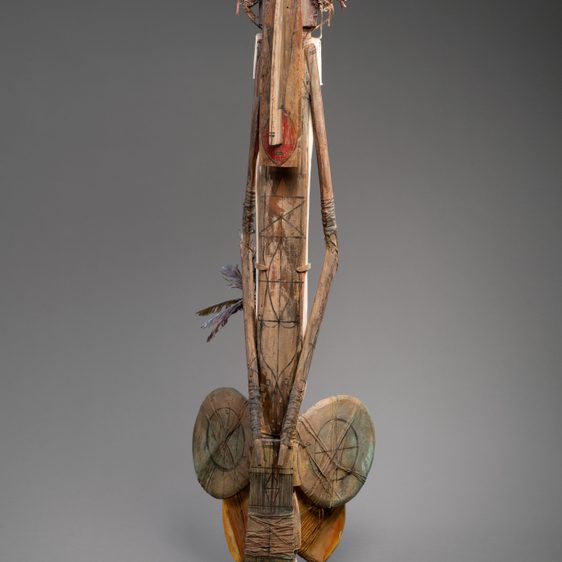
Sheldon Harvey, Untitled. © Sheldon Harvey and Tia Collection .Photo © James Hart, courtesy YSP
7.4 MB - JPG
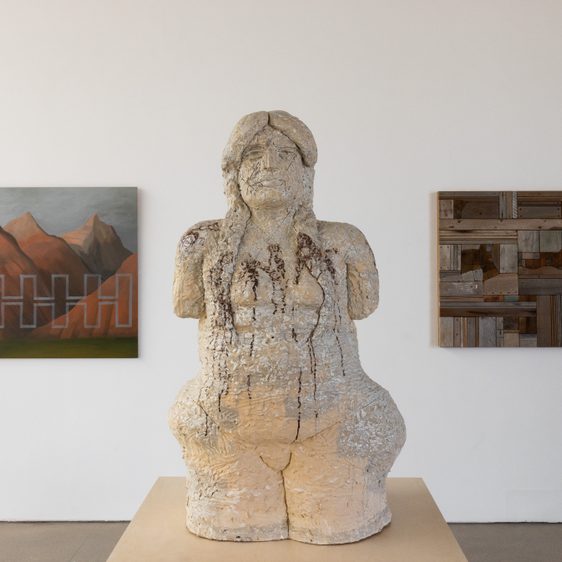
Hold to This Earth, 2026. Courtesy of Tia Collection. Photo © India Hobson, courtesy YSP 1
17.5 MB